Budget Smart Glasses With a Camera: Meta's $299 Line, a Discounted Gen 1, or an Off-Brand Pair?
Weighing Meta's $299 glasses, a discounted Ray-Ban Meta Gen 1, or a $65 off-brand pair? Compare video, battery, clip limits and real costs before you buy.
On this page
Key Takeaways
- Under $300, a budget buyer has three real paths: Meta's own-brand Meta Glasses from $299 ($249 for one Adventurer model from October 23), a discounted Ray-Ban Meta Gen 1, or an off-brand pair at roughly $65 to $100.
- Meta Glasses, launched June 23, 2026, give you the current Meta AI platform with over 8 hours of claimed battery, without Ray-Ban styling.
- Ray-Ban Meta Gen 1 is older hardware: 1080p video, about 4 hours per charge, and clips capped at 3 minutes. It only makes sense at a real discount.
- Most sub-$100 camera glasses record 1080p video; the "4K" on many listings refers to upscaled photos, not video.
- If what you want is long POV footage rather than an assistant, a dedicated recorder beats all three on recording length.
If you are shopping for budget smart glasses with a camera in late 2026, the market has shifted. In June, Meta dropped its entry price to $299 with a line under its own name. In September, Meta added Ray-Ban Meta Gen 3 at $449 and a $249 Meta Adventurer, so the floor is still falling. This guide compares the three paths on what decides whether you are happy a month later: video, battery, clip limits, the app, and price. For the full field at every price, see our best camera glasses of 2026 roundup.
A note on who is talking: iVUE makes camera glasses, and two of our models appear below as a fourth option for one specific buyer. We have noted where that shapes our view, and every competitor figure carries the date of its source.
Budget Smart Glasses With a Camera, Compared
Meta Glasses buy the newest Meta assistant at the lowest new price; a discounted Gen 1 buys Ray-Ban looks on older hardware; an off-brand pair buys a camera on your face for about $100.
| What you are deciding on | Meta Glasses (Meta's own line) | Ray-Ban Meta Gen 1 | Off-brand camera glasses |
|---|---|---|---|
| Price | From $299; $249 Adventurer from October 23 | $299 at launch; promotions near $240 | About $65 to $100 |
| Video | Not stated at launch | 1080p at 30fps | Usually 1080p; "4K" often means photos |
| Clip limit | Not stated at launch | Up to 3 minutes | Varies; some up to 10 minutes |
| Battery claim | Over 8 hours, case adds 40 | Up to 4 hours, case adds 32 | Often unstated for recording |
| Assistant | Meta AI | Meta AI | Varies by app; quality uneven |
Sources: TechCrunch (June 2026), Meta newsroom (September 2026), Tom's Guide (September 2025), Road to VR (November 2025), The Gadgeteer (September 2026), GamingTrend (August 2026).
Who Meta's $299 Glasses Are For
Meta Glasses suit a buyer who wants the full Meta assistant at the lowest new price and does not care about the Ray-Ban name.
Meta launched the line on June 23, 2026, starting at $299, built with EssilorLuxottica but without Ray-Ban or Oakley branding. Launch frames include the Meta Adventurer, Meta Fury and Meta Glasses by Kylie. Meta claims over eight hours of battery. A folding charging case adds up to 40 more. Launch coverage did not list a separate camera spec. One long-term Gen 2 reviewer describes the hardware as near identical to Gen 2, apart from a smaller case. On September 23, Meta announced a black Meta Adventurer with a plug-in case at $249, on sale October 23. That is now the cheapest new way into Meta's platform.
Who a Discounted Ray-Ban Meta Gen 1 Is For
Gen 1 suits a buyer who specifically wants the Wayfarer look and the Meta assistant, and who mostly takes photos and short clips.
Gen 1 launched at $299 in 2023. That price now buys newer hardware. Meta's September lineup leads with Gen 3 at $449. Gen 1 records 1080p video at 30fps, runs up to 4 hours per charge, and its case adds up to 32 more hours, per Tom's Guide's September 2025 comparison, against Gen 2's 3K video and 8 hours. Its clip limit rose from 60 seconds to 3 minutes in a June 2024 update. Meta has discounted it before: a 20% promotion in November 2025 brought it to about $240, according to Road to VR. At $299, it is hard to recommend over Meta Glasses. At $240 or less, it is a reasonable entry if you value Ray-Ban styling over battery.
Who an Off-Brand Pair Is For
An off-brand pair suits a buyer who wants to try a camera on their face for about $100 or less, and who treats it as an experiment rather than a main camera.
The Gadgeteer's under-$100 roundup lists the SGUKZF at $64.99 and the Plunthorn at $67.99, both using an 8MP Sony IMX219-class sensor that records 1080p video. Reviewers have found more to like than the price suggests. GamingTrend called the Kaigerr's 1080p recordings "great" and its scene description surprisingly comprehensive. The trade is everything around the camera: app, battery, and file transfer.
Feature by Feature: Video Quality and the "4K" Label
Real video resolution on budget glasses is usually 1080p, whatever the box says.
Gen 2 records up to 3K at 30fps, and Meta's September announcement lists 3K video for Gen 3 too. Gen 1 tops out at 1080p. Launch coverage of the Meta Glasses line gave no video spec. Off-brand listings often headline "4K", but The Gadgeteer states plainly that the 8MP sensors in pairs like the SGUKZF and Plunthorn "record 1080p video and produce interpolated, upscaled 4K photos," and that "actual video output tops out at 1080p." Compare sample clips, not box numbers. We explain how sensor size and resolution interact in 2K vs 4K camera glasses.
Short answer: most smart glasses with a camera under $100 record 1080p video, and "4K" on those listings usually describes upscaled photos. Ray-Ban Meta Gen 2 and Gen 3 reach 3K; Gen 1 records 1080p; Meta has not published a separate video spec for its $299 line.
Feature by Feature: Battery Under Recording
Every battery figure on this page is a mixed-use claim, and recording video drains glasses much faster.
Meta rates Gen 2 and Meta Glasses at about 8 hours and Gen 1 at 4, but those hours blend standby, audio and assistant use. YouTube reviewers report the gap clearly: one Gen 2 reviewer found 35 minutes of straight video can drain the glasses, and heavy mixed use landed several reviewers at 2 to 5 hours. Off-brand listings often quote a battery figure without saying whether it covers recording. If you plan to film, ask how many minutes of continuous video a pair records, not how many hours it lasts.
Feature by Feature: Clip Limits and Orientation
Ray-Ban Meta glasses are built for clips, not long takes.
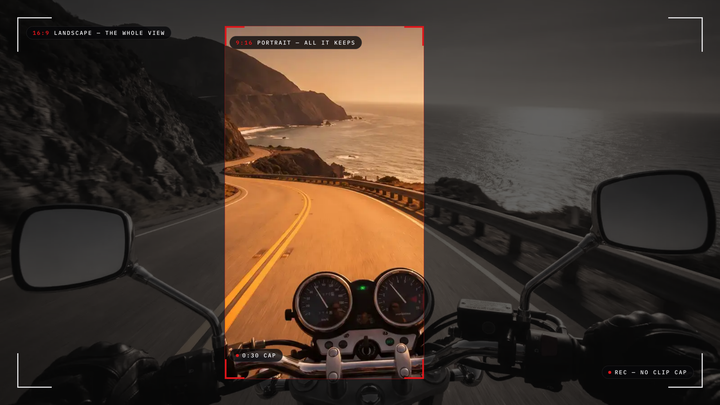
On Gen 2, Tom's Guide reports you can set clip length to 1, 3 or 5 minutes at 1080p, or 1 or 3 minutes at 3K; Gen 1 stops at 3 minutes. Off-brand behaviour varies: the Kaigerr lets you set clips from 15 seconds to 10 minutes and records in 16:9, per GamingTrend. Orientation matters as much as length, because many smart glasses default to portrait video. We cover both limits in portrait lock and clip caps.
Feature by Feature: The App and Getting Your Footage Off
On budget glasses, the app decides the experience more than the camera does.
Off-brand apps are where reviewers find the rough edges. GamingTrend found that importing about 10 minutes of Kaigerr video took over 10 minutes and 20% of the battery. Digital Camera World, reviewing the $349 Rokid AI Glasses Style in July 2026, called the app "janky" and the recording light hard to see in daylight.
Price and Value
The cheapest pair is rarely the best value once you count battery, app and support.
- Meta Glasses, $249 to $299: the best value for the assistant: at or under Gen 1's original price, double its rated battery.
- Ray-Ban Meta Gen 1: worth it only at a real discount, around $240 or below, and only if Ray-Ban styling matters to you.
- Off-brand, $65 to $100: good value as a trial, with seller-dependent support.
- Recording-first alternative: our iVUE Glide is $129 and our iVUE Denali runs $169 to $199, with no assistant at all.
When a Dedicated Recorder Is the Better Buy
If your goal is footage, not an assistant, a purpose-built recorder outlasts every smart glass here on recording length.
This is our own category, so weigh it accordingly. The iVUE Denali records 2K at 30fps or 1080p at 60fps in 16:9 landscape, with no separate per-clip cap. It is rated for 90 minutes of continuous recording; in our own 1080p testing it typically runs in the low to mid 80s. It records while charging from a power bank, and a 128GB card holds about 22 hours. The Glide records 1080p at 30fps to 64GB of built-in memory, about 85 hours, with no app at all. Neither has a voice assistant, speakers or stabilization. If you want an hour-long ride in one file, compare our camera glasses.
Which to Choose
Match the pair to the thing you will do most often with it.
- You want an assistant, music and calls, plus quick photos: Meta Glasses from $249.
- You want the Ray-Ban Wayfarer look on a tight budget: Ray-Ban Meta Gen 1, but only on a real discount.
- You are curious and want to spend under $100: an off-brand 1080p pair, chosen by its app reviews rather than its "4K" label.
- You want long POV video of rides, hikes or work: a dedicated recorder such as the iVUE Denali or Glide.
- You film social clips and want Meta's best camera: stretch to Gen 2 ($379) or Gen 3 ($449); our Ray-Ban Meta video review covers what it does well.
Whatever you buy, know your local recording rules and wear the camera openly.
Frequently Asked Questions
What are the best budget smart glasses with a camera?
Meta Glasses are the best budget pick: Meta's current platform and over 8 hours of claimed battery, from $299, or $249 for the Adventurer from October 23.
Is Ray-Ban Meta Gen 1 still worth buying in 2026?
Only at a real discount. Gen 1 records 1080p with a 4-hour rated battery, while Meta Glasses cost $299 new with double the rated battery.
Do cheap smart glasses really record 4K video?
Usually not. Reviewers report that most sub-$100 camera glasses record 1080p video, and the "4K" on the listing refers to interpolated, upscaled photos.
How long can budget smart glasses record video?
Ray-Ban Meta glasses cap clips at 1 to 5 minutes, depending on generation and setting. Continuous filming drains any smart glasses far faster than their headline battery hours suggest.
What is the cheapest Meta glasses option?
New, it is the black Meta Adventurer with a plug-in case at $249, on sale October 23, 2026. The rest of the Meta Glasses line starts at $299.